In the era of industrial automation, businesses across sectors are constantly seeking solutions that balance precision, efficiency, and scalability. Gantry systems-often referred to as gantry robots or overhead gantry solutions-have become a cornerstone of modern manufacturing, logistics, and specialized industries, offering a unique blend of versatility and performance that sets them apart from traditional automation tools. Unlike fixed robotic arms or manual labor, these overhead bridge-like systems operate in three-dimensional (X, Y, Z) space, delivering exceptional reach, load-bearing capacity, and repeatability. Whether you're looking to streamline assembly lines, automate heavy material handling, or enhance precision in delicate processes, gantry systems provide a customizable solution that adapts to diverse operational needs. This guide will explore the core applications of gantry systems across key industries, break down their unmatched advantages, and offer insights to help you determine if they're the right investment for your business.
What Are Gantry Systems?
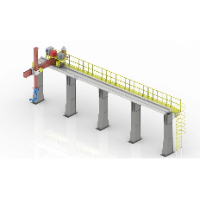
Before diving into applications and advantages, let's clarify what gantry systems are. A gantry system is a type of automated material handling equipment consisting of a bridge-like structure (the gantry) that moves along a fixed track, supported by upright columns. Equipped with a robotic arm, gripper, or specialized end effector, gantry systems operate in three-dimensional (X, Y, Z) space, allowing them to reach multiple workstations, lift heavy loads, and perform repetitive pick-and-place operations with consistent accuracy. They can be customized to fit specific workspace dimensions, load requirements, and task complexities—from simple pick-and-place operations to advanced assembly and inspection processes.

Key Applications of Gantry Systems
Gantry systems’ versatility makes them indispensable across a wide range of sectors. Below are the most common use cases where these systems deliver maximum value:
1. Manufacturing & Assembly
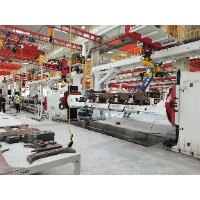
In manufacturing plants, gantry systems streamline assembly lines by handling repetitive, labor-intensive tasks. For example, in the automotive industry, they lift and position car components (such as engines, doors, and chassis) with precision, reducing human error and speeding up production cycles. Electronics manufacturers use smaller, more precise gantry systems to place microchips, solder components, and assemble circuit boards—tasks that require sub-millimeter accuracy.
2. Material Handling & Logistics
Warehouses, distribution centers, and shipping facilities rely on gantry systems for heavy-duty material handling. These systems can lift and move pallets, crates, and large containers (weighing up to several tons) across long distances, eliminating the need for manual labor or forklifts. Gantry systems integrated with conveyor belts and warehouse management software (WMS) also automate sorting, stacking, and loading/unloading processes, cutting down on delivery times and reducing operational costs.
3. Aerospace & Defense
The aerospace industry demands equipment that can handle large, delicate components—such as aircraft wings, fuselages, and engine parts. Gantry systems with custom end effectors (like vacuum grippers or magnetic clamps) safely lift and maneuver these oversized parts during assembly, inspection, and maintenance. In defense applications, they’re used to assemble weapons systems, load ammunition, and test equipment under controlled conditions.
4. Food & Beverage
In the food and beverage sector, gantry systems ensure hygiene, speed, and consistency. They automate tasks like packaging, labeling, and palletizing food products—from canned goods to frozen meals—without human contact, reducing the risk of contamination. Gantry systems can also be designed to meet strict industry regulations (such as FDA standards) with stainless steel construction and easy-to-clean surfaces.
5. Medical & Pharmaceutical
Precision is critical in medical and pharmaceutical manufacturing. Gantry systems are used to assemble medical devices (like pacemakers and surgical tools), dispense medications into vials, and package pharmaceutical products. Their high accuracy ensures compliance with industry standards (such as ISO 13485), while automation reduces the risk of human error in life-saving applications.

Core Advantages of Gantry Systems
Why choose gantry systems over other automation solutions ? Here are the key benefits that set them apart:
1. Exceptional Reach & Workspace Coverage
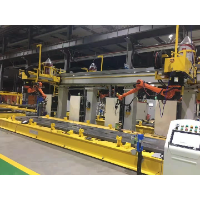
Gantry systems operate on an overhead track, which means they don’t take up valuable floor space-unlike fixed robotic arms or conveyor belts. Their bridge-like structure allows them to cover large work areas and reach multiple workstations without repositioning. This makes them ideal for facilities with limited space or complex layouts.
2. High Load-Bearing Capacity
Unlike small collaborative robots that handle light loads, gantry systems are built to lift heavy objects-ranging from a few kilograms to several tons. This makes them perfect for industries like automotive, aerospace, and logistics, where heavy material handling is a daily requirement.
3. Precision & Consistency
Gantry systems are engineered for repeatability, with positioning accuracy ranging from ±0.1mm to ±1mm (depending on our model). This level of precision ensures that tasks like assembly, welding, and material placement are performed consistently, reducing defects and improving product quality. Automation also eliminates the variability of human labor, leading to more reliable output.
4. Flexibility & Customization
Gantry systems can be tailored to fit specific task requirements. Whether you need a compact system for small-parts assembly or a large overhead gantry for heavy loads, manufacturers can customize the track length, bridge size, end effector, and control system. They can also be integrated with other automation tools to adapt to changing production needs.
5. Cost Savings & ROI
While the initial investment in a gantry system may be higher than manual labor or basic machinery, the long-term cost savings are significant. Automation reduces labor costs , cuts down on defects and rework, and increases production throughput. Most businesses see a return on investment (ROI) within 1-3 years of installation.
6. Improved Safety
Gantry systems reduce the risk of workplace accidents by handling dangerous or strenuous tasks-such as lifting heavy loads, working with sharp tools, or operating in hazardous environments. They can be equipped with safety features like emergency stop buttons, light curtains, and collision detection sensors to protect workers and equipment.
How to Choose the Right Gantry System for Your Business
When selecting a gantry system, consider the following factors to ensure it meets your needs:
Load Capacity:Determine the maximum weight of the objects you’ll be handling.
Workspace Dimensions:Measure the area the system needs to cover (length, width, height) to choose the right track and bridge size.
Accuracy Requirements:Consider the precision needed for your tasks.
Integration Needs:Check if the system can be integrated with your existing equipment.
Regulatory Compliance:Ensure the system meets industry standards.
Conclusion
Gantry systems stand out as a versatile, high-performance automation solution that addresses the core challenges of modern industries-from limited workspace and heavy material handling to the need for precision and scalability. Their ability to adapt across sectors, from automotive and aerospace to food production and pharmaceuticals, underscores their universal value. By leveraging overhead operation, customizable design, and advanced control systems, gantry systems not only boost productivity and product quality but also enhance workplace safety and deliver long-term cost savings. As automation continues to reshape global industries, investing in a gantry system isn't just a choice to streamline operations-it's a strategic decision to stay competitive in a fast-evolving market.
To maximize your investment, partner with a trusted provider who can tailor the system to your unique needs and ensure seamless integration with your existing workflow.
 Case Study: Successful Implementation of Robotic Positioners in Automotive Manufacturing
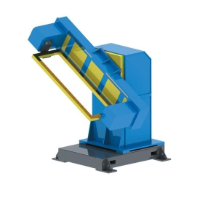 Future Trends in Robotic Positioners and Automation Systems
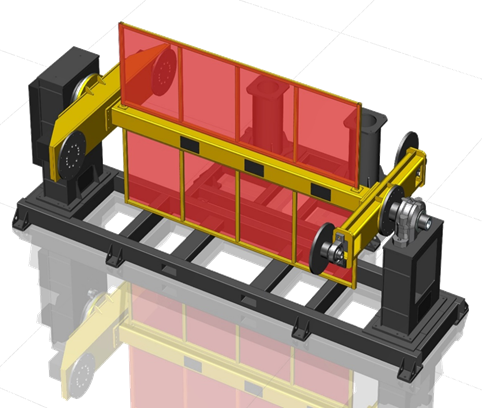 Common Challenges in Implementing Robotic Positioners and How to Overcome Them
 Integrating Robotic Positioners and Gantry Systems for Optimal Automation
